
Choosing between an apartment and an independent house is one of the most important decisions when buying a home. Both offer distinct advantages, and neither is automatically the better choice.
Your decision should depend on your lifestyle, budget, family requirements, maintenance preferences, and long-term expectations.
Understanding the differences between apartments and independent houses can help you choose a home that suits your needs.
1. Understanding the Difference
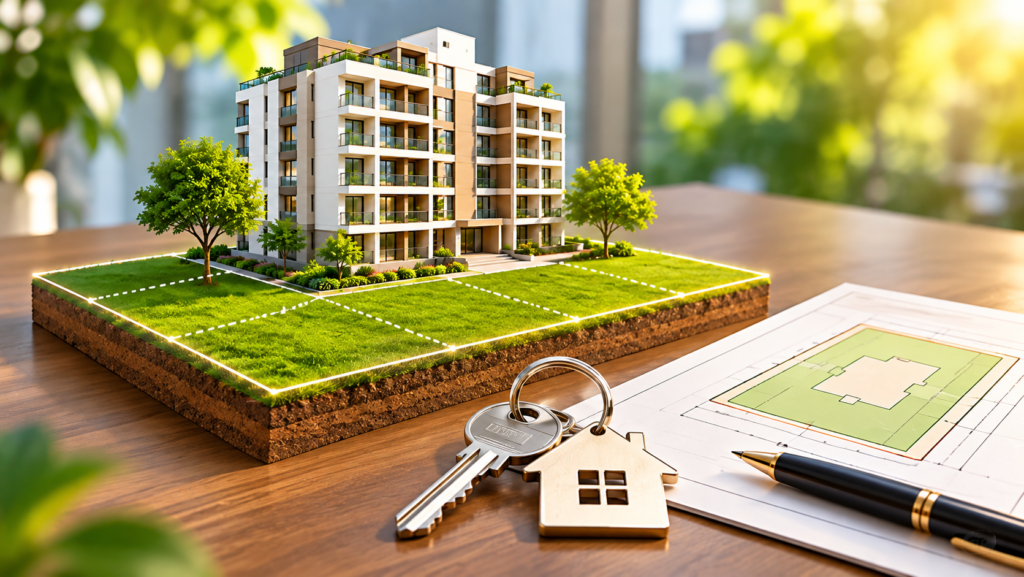
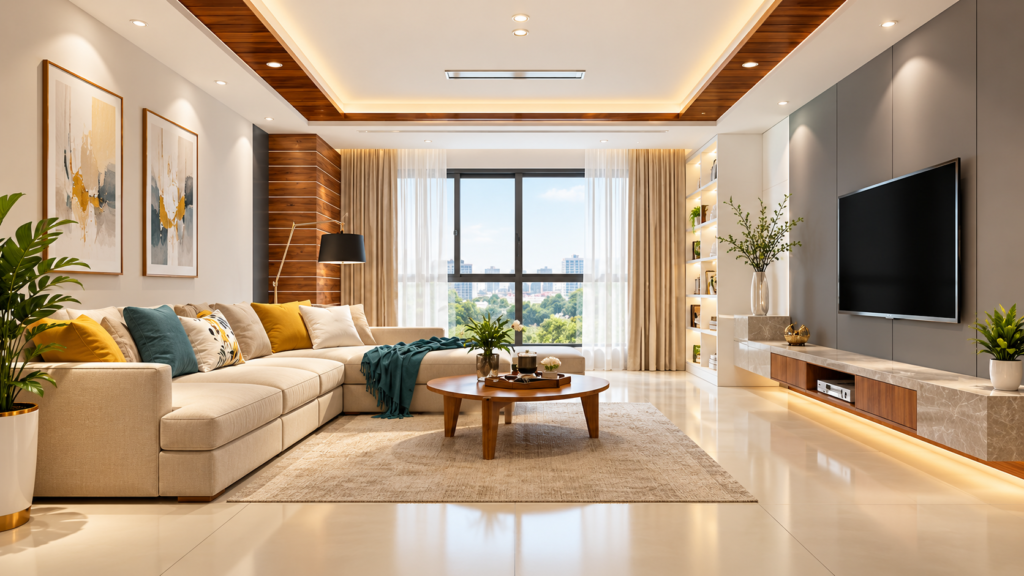
An apartment is a residential unit within a larger building containing multiple homes. Residents typically share common facilities such as entrances, corridors, lifts, parking areas, and other amenities.
An independent house is a separate residential property, usually constructed on an individual plot of land. The owner generally has greater control over the building and its surroundings, subject to applicable laws and regulations.
The difference extends beyond the physical structure to ownership, maintenance responsibilities, and lifestyle.
2. Purchase Cost and Affordability
Budget is often the first consideration.
Apartments may offer a more accessible entry point into certain residential locations because land and common infrastructure costs are distributed across multiple units.
Independent houses may involve purchasing both the land and the building, potentially increasing the initial investment.
However, property prices vary considerably depending on location, land value, construction quality, and available facilities.
Compare the total cost of ownership rather than assuming one property type is always more affordable.
3. Maintenance Responsibilities
Maintenance is a major difference between apartments and independent houses.
In apartment buildings, common-area maintenance is usually coordinated by an association or designated management arrangement.
Residents generally contribute through maintenance charges.
For independent houses, owners are directly responsible for most repairs, exterior maintenance, plumbing, roofing, and other building-related expenses.
An independent house offers greater control over maintenance decisions but also requires more personal involvement.
4. Privacy and Independence
Independent houses often provide greater separation from neighbouring households.
Owners may have more freedom to manage outdoor spaces, entrances, and property use.
Apartments involve shared walls, common areas, and proximity to other residents.
However, privacy also depends on building design, sound insulation, window placement, and neighbouring structures.
A thoughtfully designed apartment can still offer a comfortable level of privacy.
5. Security Considerations
Security arrangements vary by property.
Apartment communities may provide controlled entrances, CCTV systems, security personnel, or other shared measures.
Independent homeowners generally need to arrange and maintain their own security provisions.
Neither property type guarantees safety.
Buyers should evaluate the actual security arrangements rather than relying on general assumptions.
6. Amenities and Shared Facilities
Some apartment developments offer common facilities such as lifts, recreation spaces, parking arrangements, and landscaped areas.
These facilities may provide convenience without requiring individual ownership and maintenance.
Independent houses offer flexibility to create personal facilities where space, budget, and regulations permit.
Consider which amenities your family will genuinely use before including them in your decision.
7. Customisation and Renovation
Independent houses generally offer greater flexibility for alterations, extensions, and redesigns, subject to planning permissions and structural requirements.
Apartment owners can usually modify interior spaces within applicable rules, but structural changes and alterations affecting common areas may be restricted.
If extensive customisation is important to you, understand the limitations associated with each property.
8. Location and Daily Convenience
Location can influence the decision more than property type.
An apartment near workplaces, schools, and healthcare facilities may offer a more convenient lifestyle than a larger independent house located farther away.
Conversely, an independent house in a suitable neighbourhood may offer additional space and privacy.
Consider commuting time, accessibility, and the surrounding environment.
9. Long-Term Ownership Considerations
Both apartments and independent houses can serve as long-term residential assets.
However, maintenance requirements, building age, land ownership arrangements, and future repair expenses differ.
Apartment buyers should understand their undivided share of land, common-area rights, and association obligations.
Independent house buyers should carefully verify land title, boundaries, building approvals, and property condition.
Professional legal and technical verification is advisable in both cases.
Conclusion
The choice between an apartment and an independent house depends on what matters most to you.
Choose an apartment if shared maintenance arrangements, manageable living space, and community facilities suit your lifestyle.
Consider an independent house if greater independence, land ownership, and flexibility are your priorities.
Evaluate your budget, family needs, location, and long-term responsibilities before making a decision.
The right home is the one that supports your lifestyle comfortably and sustainably.